

Hours
- Mon – Fri
- 8:00 AM – 5:00 PM
- Sun, Sat
- Closed
- Visiting specialist days vary. Call to schedule
Call
308-254-5067
Tap to call
Location
1000 Pole Creek Crossing, Second Floor, Sidney, NE 69162
Get directions →
Our urology team cares for kidney stones, enlarged prostate (BPH), bladder control problems, urethral strictures and urologic cancers in the Specialty Clinic on the second floor of our Pole Creek campus.
SRMC brings several minimally invasive treatments to the Panhandle that many patients would otherwise travel hours to find. Most are outpatient procedures with a quicker return to normal life than traditional surgery. Your urologist will help you decide which option fits your condition, health and goals.
Clinic
Specialty Clinic, 2nd floor
Procedures
Mostly outpatient
Referral
Call and we'll check your plan
Aquablation therapy for enlarged prostate
Aquablation is a robot-assisted treatment for BPH that uses a precisely controlled, heat-free waterjet to remove the prostate tissue that blocks urine flow. Your surgeon maps the prostate with real-time ultrasound first, then the robot carries out the plan.
Because no heat is used, Aquablation is designed to relieve symptoms while lowering the risk of lasting side effects that matter to many men, such as changes to sexual function or continence. It can treat prostates of almost any size or shape.
It may help if you have BPH symptoms like:
- Frequent or urgent urination
- Weak stream or trouble starting
- Waking often at night to urinate
- Feeling the bladder never fully empties
NanoKnife for prostate cancer
For some men with localized prostate cancer, NanoKnife irreversible electroporation (IRE) offers a focal alternative to removing or radiating the entire gland. Short electrical pulses open the membranes of cancer cells in a targeted zone so the body clears them, while nearby nerves, blood vessels and the urethra are largely spared.
NanoKnife is typically an outpatient procedure under general anesthesia. Not every cancer is a good fit. Your urologist will review your MRI, biopsy results and overall health to see whether focal therapy is right for you.
Optilume for urethral strictures and BPH
Optilume uses a drug-coated balloon. The balloon gently widens a narrowed urethra or opens the prostate channel, while a medication called paclitaxel is delivered into the tissue to help keep it from narrowing again.
The procedure is minimally invasive, involves no cutting or heating of tissue, and many patients go home the same day. For men with recurring strictures, it can mean fewer repeat procedures.
Bladder control: Axonics and Bulkamid
Leaking, urgency and frequent bathroom trips are common, treatable and nothing to be embarrassed about. When medicines and pelvic floor therapy haven't been enough, we offer two longer-term options.
Axonics sacral neuromodulation uses a small implanted device to calm the nerve signals between the bladder and brain, easing overactive bladder, urinary retention and bowel leakage. Bulkamid is a quick, in-office urethral bulking treatment for women with stress urinary incontinence (leaks when you cough, laugh or exercise) with no incisions.
Conditions we treat
- Overactive bladder and urgency leaks
- Stress urinary incontinence (women)
- Urinary retention
- Fecal incontinence
Kidney stone treatment
Kidney stones can cause some of the worst pain people ever feel. Our urologists offer the full range of treatment, from medication and hydration plans that help small stones pass on their own to procedures for stones that won't.
Extracorporeal shock wave lithotripsy (ESWL) breaks stones into sand-like pieces from outside the body with no incisions. Ureteroscopy with laser lithotripsy uses a thin scope to reach and break up stones directly. Afterward, we can analyze your stone and help you lower your risk of forming new ones.
Options include
- Shock wave lithotripsy (ESWL)
- Ureteroscopy with laser
- Stent placement when needed
- Stone analysis and prevention plans
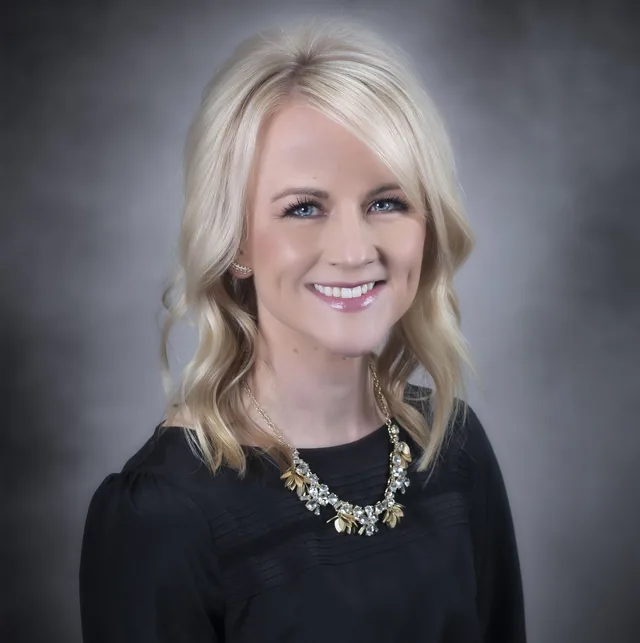
Meet the team
All providers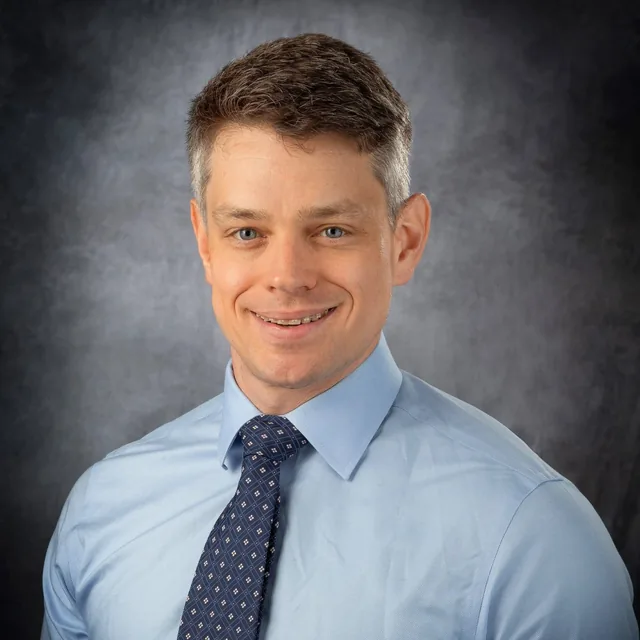
Frequently asked questions
Related care
You might also need
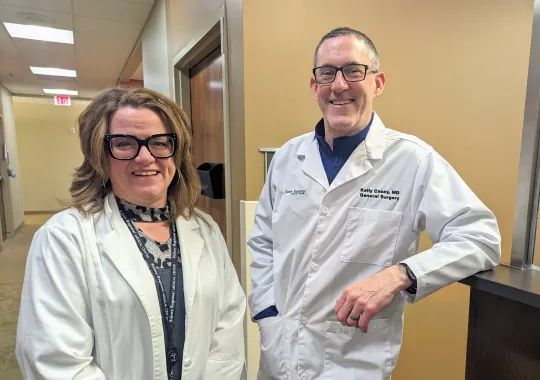
Specialty Clinic
15 visiting specialties, cardiology to urology, so you can see an expert without the long drive.
Learn more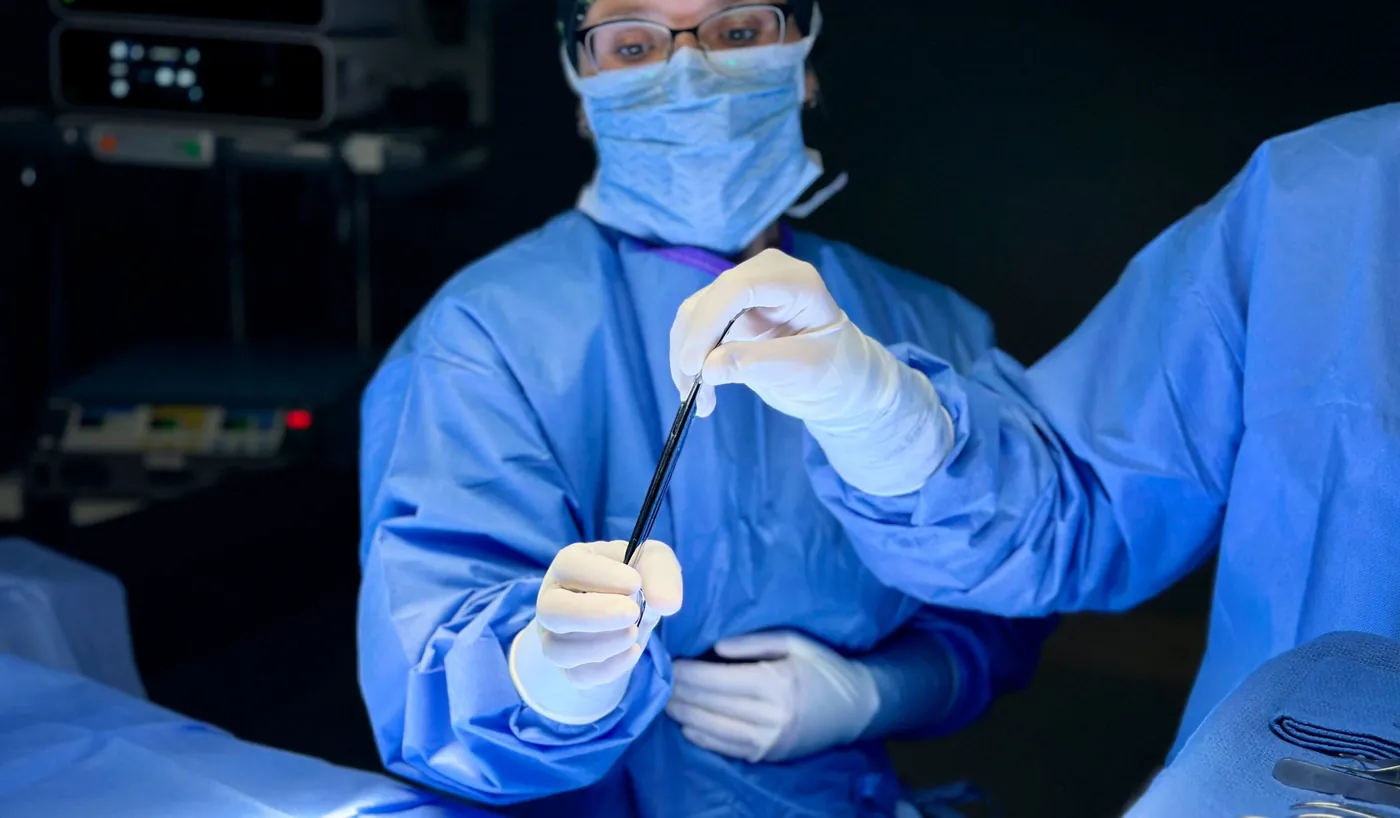
Surgical Services
Elective and emergency general surgery, endoscopy and minimally invasive procedures.
Learn more
Radiology & Imaging
MRI, CT, PET/CT, nuclear medicine, ultrasound, mammography and DEXA, read by 30 subspecialty radiologists.
Learn more